Albany and Southwest Georgia · Septic service
Septic Tank Service and Repair in Albany, GA
Slow drains, gurgling pipes or a wet spot in the yard? Albany Plumbing Pros handles septic inspection, pumping, repair and installation for homes outside the sewer lines.
Licensed, bonded and insured · Satisfaction guarantee · Answered 24/7.
Septic Services for Albany Area Homes
Many homes in Lee, Worth, Baker, Terrell and Mitchell counties, and some properties inside Dougherty County, rely on a septic system instead of a public sewer. A septic system works quietly for years, so problems often show up only after damage has started. We help at every stage, from routine care to complete septic solutions for repair and replacement.
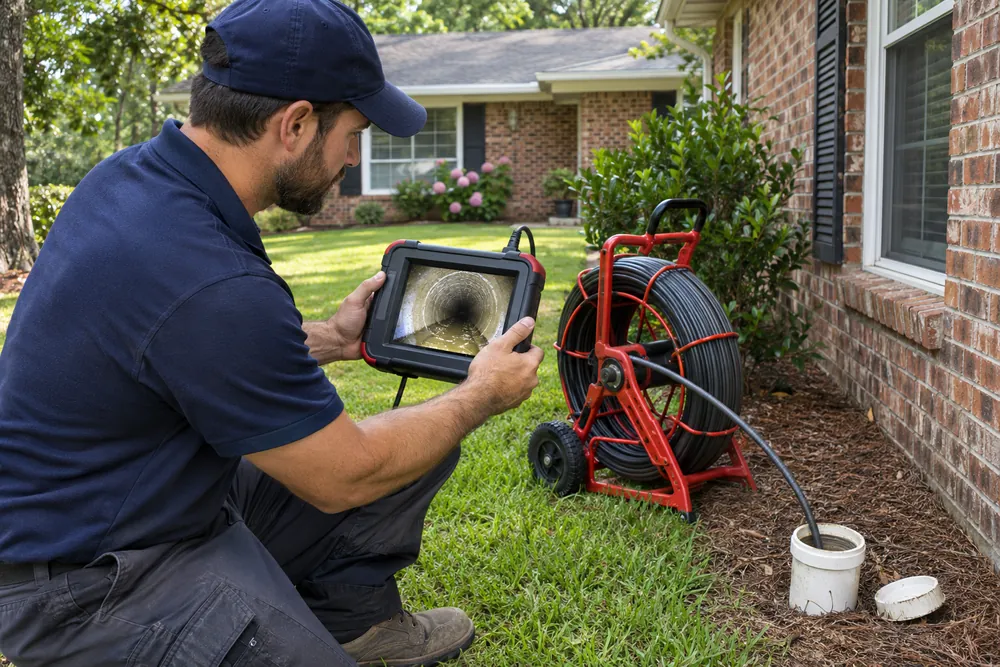
Septic inspection
A check of the tank, lines, baffles, risers and drain field so you know the system's condition before a problem grows, or before you buy or sell a home.
Tank pumping
Removing built-up solids so the tank keeps working. Pumping on a regular schedule is one of the best ways to protect the system.
Line and cleanout repair
Clogged, cracked or root-damaged lines between the house and the tank, and from the tank to the drain field.
Baffle, riser and lid repair
Failed baffles let solids escape into the drain field. Damaged lids and risers are a safety and access problem.
Drain field problems
Soggy ground, odors and slow drains can point to a failing drain field. We diagnose the cause and explain the options.
New installation and replacement
Design, permitting and installation of a new or replacement system, coordinated with your county environmental health office.
How Your Septic System Works
Wastewater leaves the house through a pipe and enters the septic tank. Solids settle to the bottom and form sludge. Oils and grease float to the top as scum. The liquid in the middle flows out to the drain field, where soil filters and treats it. Bacteria in the tank break down part of the solids.
That is why septic systems are sensitive to what goes down the drain. Harsh chemicals, too much bleach, grease, wipes and food waste can harm the bacteria and clog the system. Heavy water use in a short time, such as many loads of laundry in one day, can also push water through the tank before it settles.
Warning Signs of a Septic Problem
Call a plumber if you notice
- Several fixtures draining slowly at the same time.
- Gurgling sounds in pipes or toilets.
- Sewage odors inside the house, near the tank or over the drain field.
- Wet, spongy or unusually green grass over the drain field.
- Sewage backing up into tubs, showers or floor drains.
- Water pooling in the yard after normal use.
Sewage backing up inside the home is an emergency. Stop using water and call (866) 310-6010.
How Often Should a Septic Tank Be Pumped?
Many guides suggest pumping about every three to five years, but the right schedule depends on your system.
| Factor | Why it matters |
|---|---|
| Household size | More people means more wastewater and solids |
| Tank size | A larger tank holds more solids before it needs pumping |
| Water use | Heavy laundry, long showers and leaks fill the tank faster |
| Garbage disposal | Food waste adds solids to the tank |
| Age and condition | Older tanks and damaged baffles need closer attention |
During an inspection, we measure the sludge and scum layers and tell you whether pumping is due.
Septic Installation and Permits
In Georgia, new septic systems and major repairs are approved through your county environmental health office, which is part of the Georgia Department of Public Health. The office evaluates the site, including soil type and the location of wells and property lines, before approving a design. That process takes time, so call early if you are building or replacing a system. We can walk you through what to expect.
Septic Systems in Southwest Georgia
Soil and groundwater conditions vary across our region. Heavy rain and a high water table can saturate a drain field and slow it down. Flooding, such as the 1994 flood that followed Tropical Storm Alberto, can overwhelm a system entirely. If your property has ever taken on floodwater, have the system inspected afterward.
Protect your septic system
Do not pour chemical drain openers or large amounts of bleach into a septic system. Do not flush wipes, even ones labeled flushable. Keep heavy vehicles off the tank and drain field, and keep tree roots away from the lines.
What to Do During a Septic Emergency
- 1
Stop water use
Turn off washers, dishwashers and showers. Every gallon you send down the drain adds to the backup.
- 2
Keep people and pets away
Sewage is a health hazard. Keep children and animals away from backed-up areas.
- 3
Call (866) 310-6010
Tell us your address and what you see. We answer 24 hours a day.
- 4
Wait for the plumber
We find the cause, relieve the problem and explain the repair.
Where We Provide Septic Service
We serve Albany and the nearby towns below, including Leesburg, Sylvester, Camilla, Newton and Dawson.
Septic Service Questions
Slow drains, gurgling pipes, odors and sewage backups are common signs. An inspection that measures the sludge and scum layers gives a clear answer.
Yes. We pump tanks as part of septic service and inspect the tank and baffles while it is empty.
Sometimes. The answer depends on the cause, such as a clogged line, saturated soil or a collapsed section. We diagnose the problem and explain the options.
Yes. In Georgia, new systems and major repairs are approved through your county environmental health office. We can explain the steps.
No. Strong chemicals and heavy bleach use can harm the bacteria that break down waste. Use a plunger or a snake instead.
Yes. Call (866) 310-6010 any time. Sewage backing up into the home needs fast attention.
Need Septic Service in Albany?
Call any time. A real person answers day and night, including weekends and holidays.